The permanent-collection model
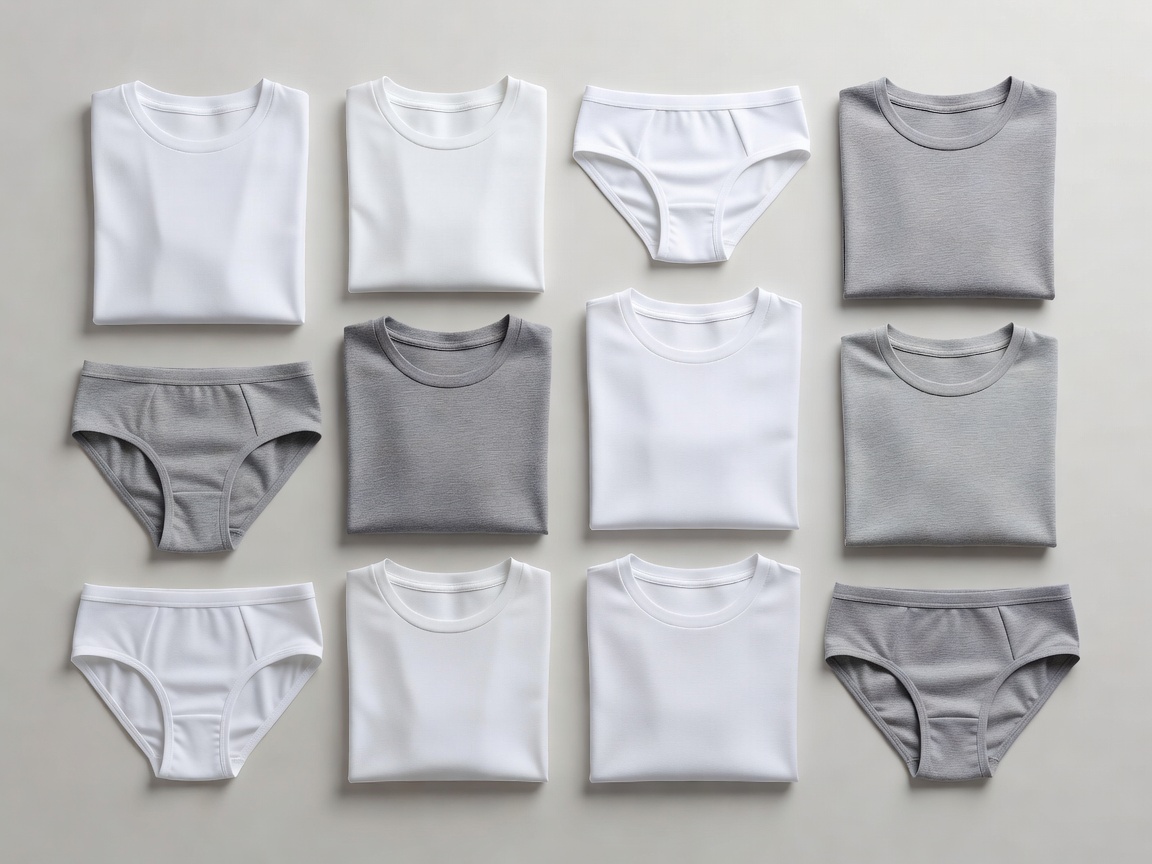
Both CDLP and Asket reject the standard fashion-season model in favour of a smaller, largely unchanging core range. Instead of new colourways every few months, the pitch is a small number of styles refined over time, so a t-shirt you buy this year should still be in the catalogue — in a very similar form — years later. This matters for basics specifically because fit consistency lets you reorder with confidence rather than re-checking size charts each season.
CDLP
CDLP (an abbreviation of the founders' surnames) launched in Stockholm in the mid-2010s and built its name on underwear made from Lyocell-based fabrics rather than standard cotton jersey — a fibre that's typically softer with better drape and moisture handling than plain cotton. The range has since expanded into t-shirts, loungewear, swimwear and light outerwear, all photographed and marketed with a distinctly editorial, monochrome aesthetic that reads closer to a fashion label than a basics brand.
Positioning is firmly premium: expect underwear and t-shirt pricing well above high-street basics, justified by fabric sourcing and small-batch production rather than logo value.
Asket
Asket, founded in Stockholm in the mid-2010s, takes transparency as its core differentiator. The brand publishes information about its supply chain and production footprint for individual products and organises its site around a "permanent collection" of a deliberately small number of SKUs — a handful of t-shirt fits, a few knitwear styles, outerwear and basics — rather than a sprawling catalogue. The stated logic is that fewer, better products reduce overconsumption, and the brand has leaned into repair and product-longevity messaging more explicitly than most basics labels.
Fit-wise, Asket tends toward a clean, slightly boxier silhouette than traditional slim-fit basics, and sizing guidance on the product pages is detailed enough to shop confidently online. Price sits in a similar premium bracket to CDLP, though positioning leans more toward "considered essentials" than "fashion-basics crossover."
Strengths of the category
- Fit consistency across reorders thanks to permanent, rarely-changed core ranges.
- Fabric quality noticeably above mainstream high-street basics.
- Reduced decision fatigue — fewer, clearer options than typical basics retailers.
Things to weigh up
- Per-item cost is meaningfully higher than mass-market basics brands.
- Limited style range means less room for trend-led or seasonal variety.
- Online-first retail models mean fit has to be judged from size guides, not in-store try-on, for most buyers.
Comparison
| Brand | Core focus | Signature fabric approach | Brand ethos |
|---|---|---|---|
| CDLP | Underwear, t-shirts, loungewear | Lyocell-blend jersey | Fashion-adjacent, editorial basics |
| Asket | T-shirts, knitwear, outerwear | Traceable, documented sourcing | Transparency and product longevity |
Which one to start with
If you care most about how a t-shirt fabric feels against the skin and want a slightly more fashion-forward presentation, CDLP's Lyocell-based basics are the obvious entry point — start with a single t-shirt or underwear multi-pack before committing further. If you want to understand exactly where and how a garment is made before you buy, Asket's per-product transparency pages make it easier to evaluate that trade-off directly on their site rather than relying on general brand claims.
As with any online-first label, always check the specific size guide for the exact style you're ordering rather than assuming your usual size carries over, since fits differ between t-shirts, knitwear and outerwear even within the same brand.