Nordic Editorial · Fashion Field Guide
Sweden's independent fashion houses, mapped for the discerning wardrobe.
From Stockholm ateliers to heritage knitwear mills, we chart the labels shaping Scandinavian minimalism, premium basics, streetwear and sustainable production — with honest comparisons, not hype.
Five ways into Swedish fashion
Each guide below groups labels by discipline rather than hype, so you can shop by what a garment is actually for — a clean base layer, a considered outer shell, or a piece built to outlast a season.
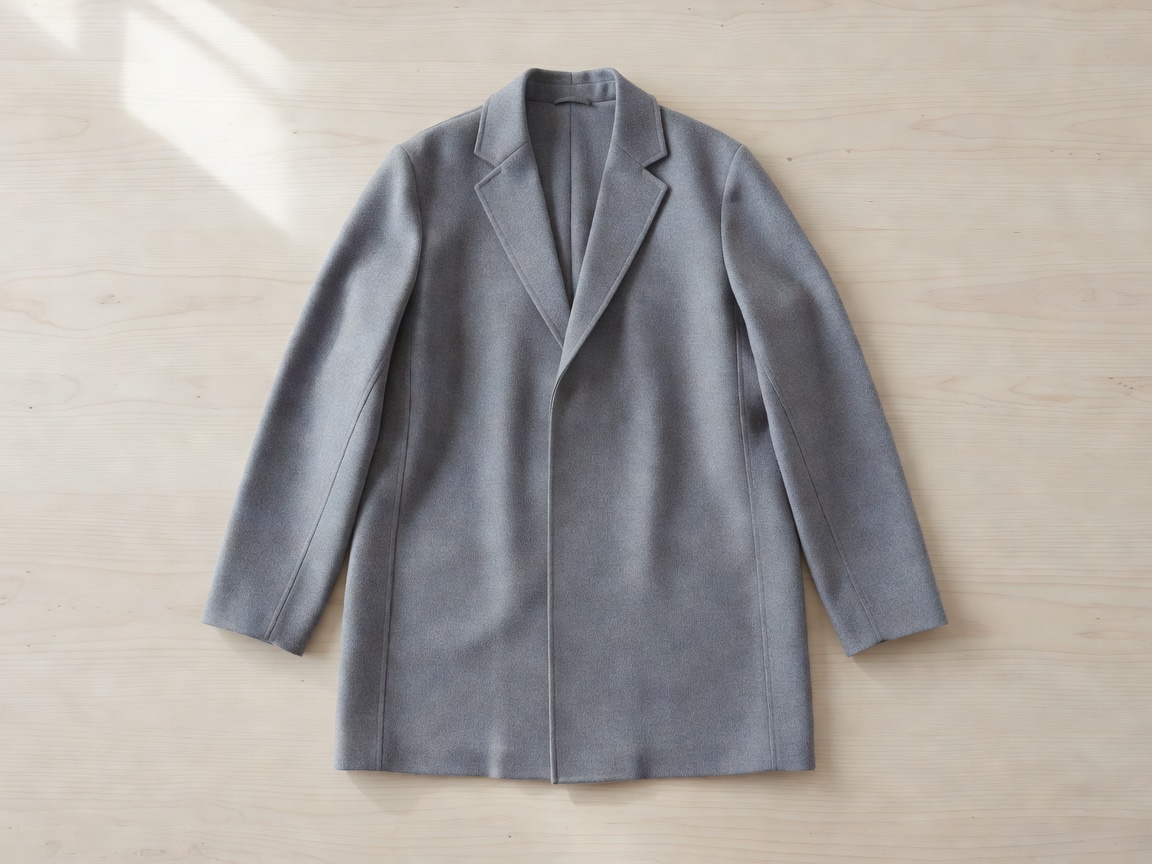
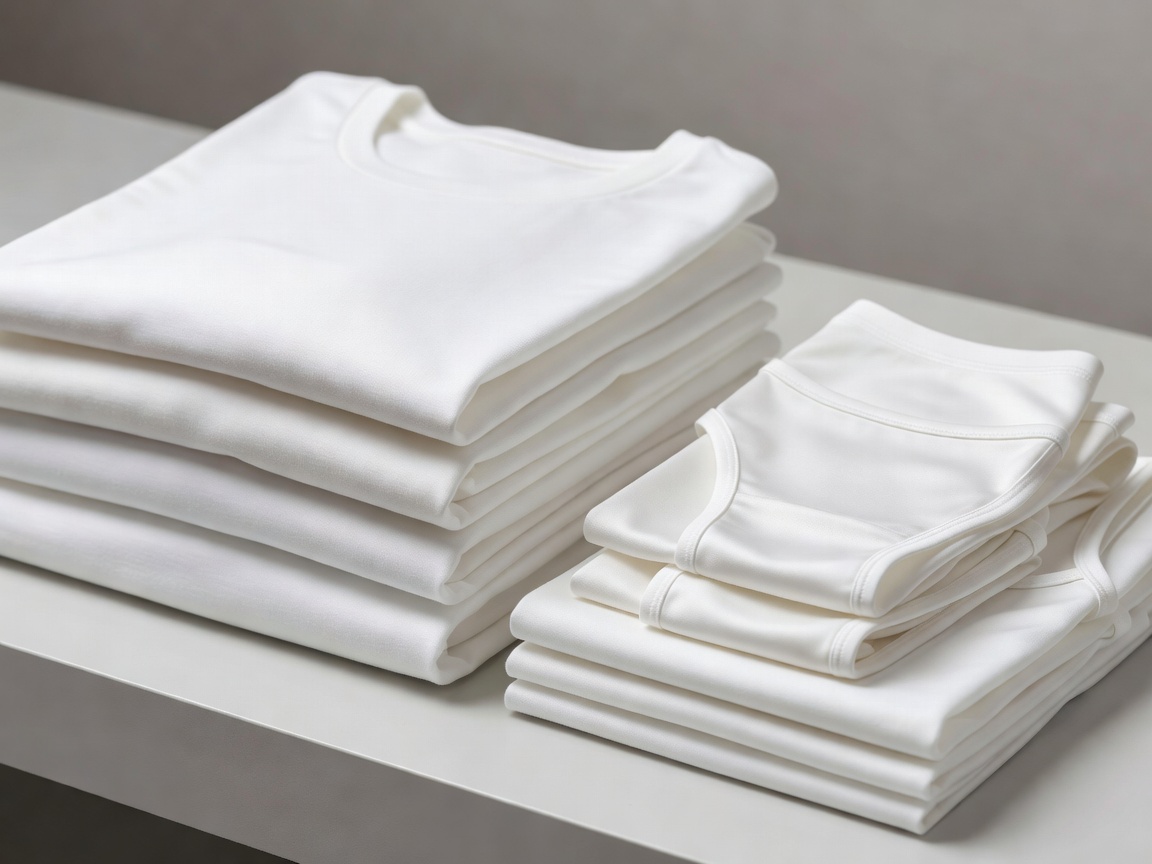
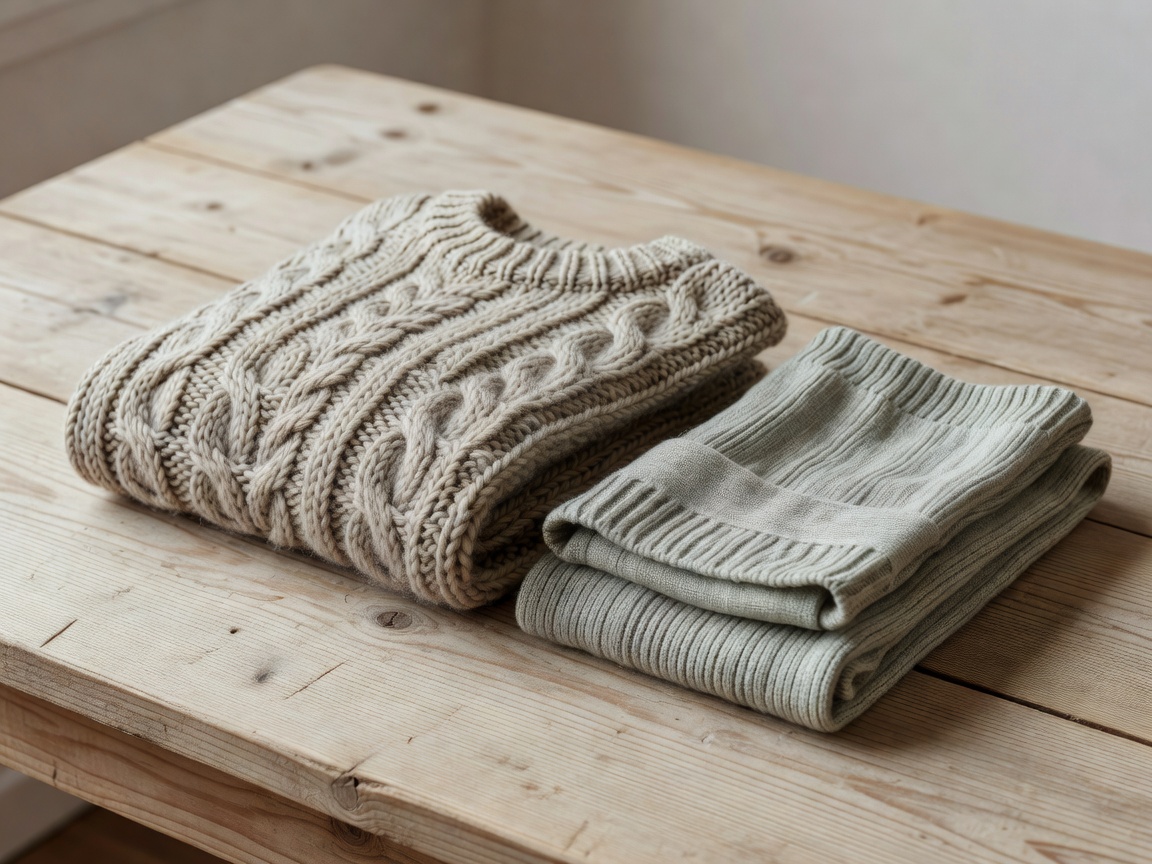
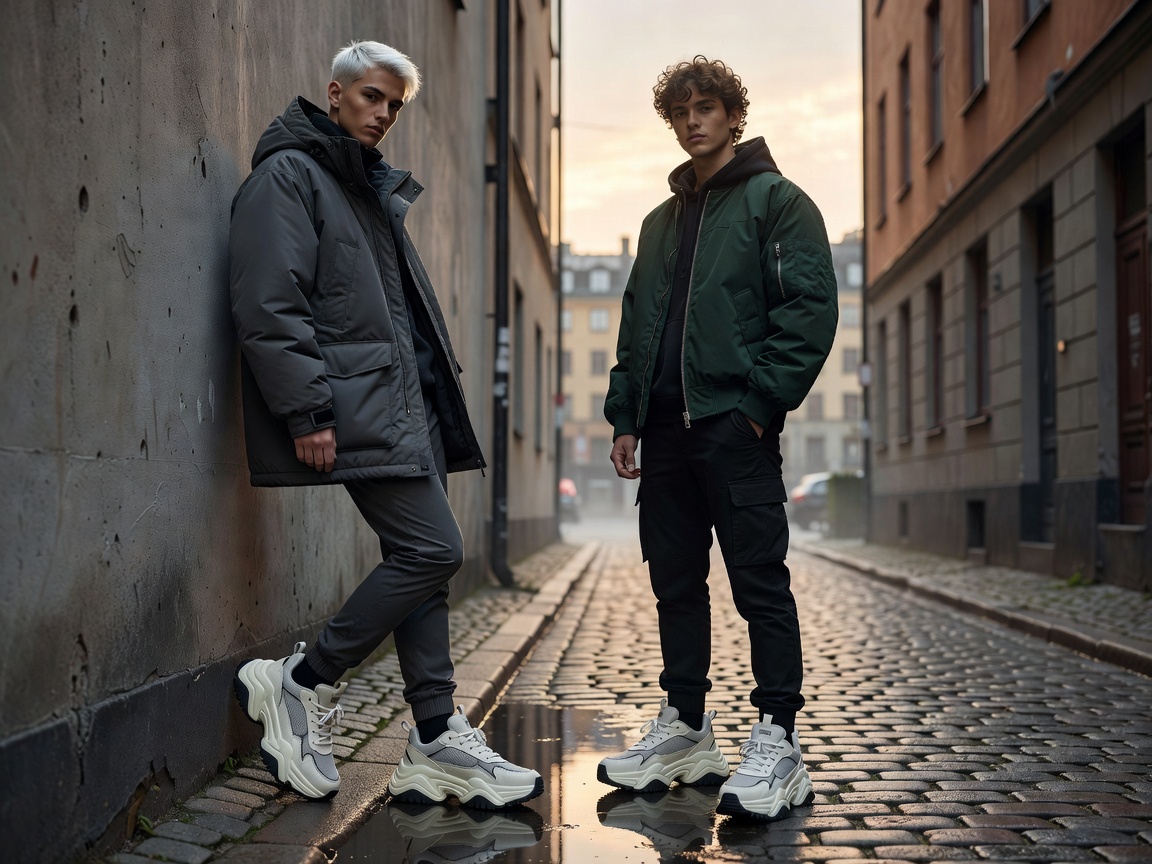
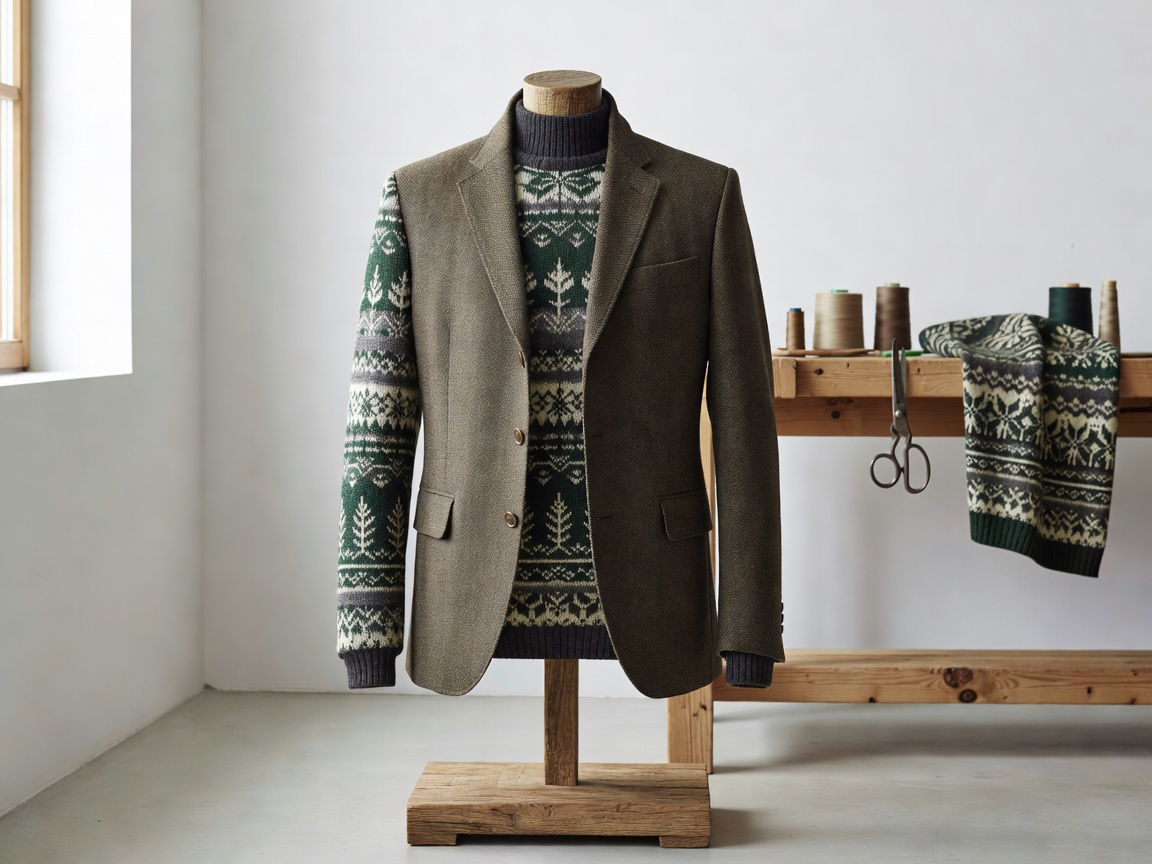
How we group these labels
The Association of Swedish Fashion Brands lists a broad set of companies under the "Swedish fashion" banner, but Swedish trade sources are careful to separate brands that are simply headquartered or designed in Sweden from those that are actually cut and sewn there. A label can be entirely Swedish in identity — founders, studio, aesthetic — while production happens across several countries, often for very practical reasons around fabric mills, factory capacity and cost.
Rather than treat "Swedish" as a single marketing claim, we sort brands by what they are actually good at: minimalist ready-to-wear, technical basics, sustainability-led operations, contemporary streetwear, or heritage outdoor and tailoring craft. Some names, like Tiger of Sweden and Filippa K, sit across more than one category, and we say so rather than forcing a single box.
None of the guides on this site claim to have tested garments in person or verified current retail prices; fabrics, fits and price points change between collections and stockists. Instead, each page focuses on positioning, fit philosophy, and the trade-offs worth knowing before you buy — details that stay useful even as a specific season's range changes.
We update category pages as brands shift focus, launch new lines, or change their sustainability commitments, and we link out to the brands themselves so you can confirm current specifics directly with the source.